



Hey Jennifer here, I’m the lab manager who was featured in a recent Erlab white paper on lab safety, sustainbility, and cost savings. I wanted to bring something up that’s been on my radar lately with the recent heatwaves we’ve been experiencing — and I think it’s important we start paying closer attention to how extreme temperatures are affecting our lab environment.
We all know how tightly controlled lab conditions need to be. But what we’re seeing more and more is that rising outdoor temperatures are starting to sneak their way indoors, not just through the thermostat, but through the air quality and chemical behavior in our workspace. And the impact on our experiment accuracy and safety is becoming too significant to ignore.
Heat and Chemical Volatility: A Dangerous Combo
First, let’s talk chemistry. As the temperature rises, so does the volatility of many of the chemicals we use on a daily basis. That means solvents, reagents, and even some sample materials are off-gassing more rapidly than they would under normal environmental conditions.
Take acetone or formaldehyde, for example. Higher temperatures amplify their evaporation rates, which increases airborne concentrations in the lab — even if they’re stored or used under standard fume hoods. And if we’re not capturing those vapors effectively, they’re becoming part of our breathing air — and potentially interfering with sensitive experiments.
On top of that, heat can increase the toxicity of some compounds. The same concentration of a vapor may have more pronounced physiological effects at higher temperatures. That’s not just a risk to our team’s health — it could also affect how biological systems react in our experiments, especially in microbiology or cell cultures.
Indoor Air Quality Matters More Than Ever
Let’s not forget that many labs (ours included) rely on building-wide HVAC systems that aren’t always designed for precision air quality control. When it’s hot outside, those systems tend to work harder to stabilize temperature — but they often reduce the amount of fresh air intake to conserve energy. That means we’re recirculating more of the same air, and any contaminants or chemical vapors lingering in the lab hang around longer.
High heat also raises humidity levels, which can create conditions for mold growth in hidden corners or around ductwork. That’s obviously a no-go in any lab, especially where we’re working with sensitive biological materials or electronics.
In short, extreme heat is compromising both the safety of our air and the integrity of our experiments. So, what can we do about it?
Erlab’s Ductless Filtration Systems: A Smart Solution
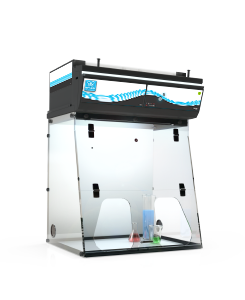
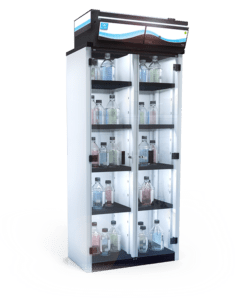
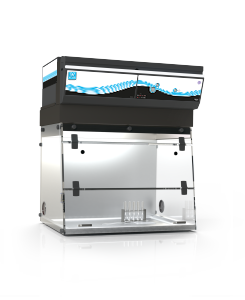
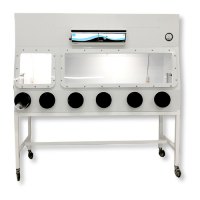
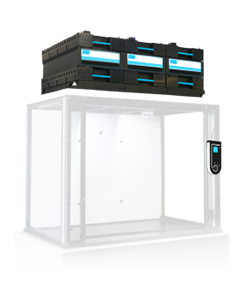
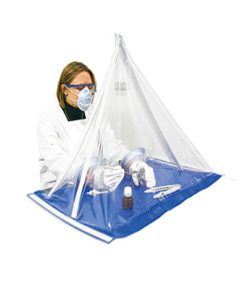
I’ve been researching solutions that give us more control over our lab air without having to overhaul our entire HVAC system. One that stands out is Erlab’s ductless air filtration systems — especially their filtered fume hoods and air purification units.
What I like about Erlab’s systems is that they use molecular filtration to actively capture and neutralize chemical vapors, particulates, and even biological contaminants — right at the source. That means we don’t have to rely solely on the building’s ventilation to manage indoor air quality.
Some key advantages:
- No ductwork required — so we don’t need major infrastructure changes.
- Energy efficient, since they recirculate clean air back into the room.
- Flexible — we can position them near specific workstations or equipment.
- Smart sensors monitor filter saturation and air quality in real time.
We’ve already tested one of Erlab’s filtered enclosures with VOC-heavy samples, and the difference in air quality was noticeable — not just in odor reduction, but in instrument stability too.
Next Steps
I think it’s time we start considering these kinds of systems as standard lab infrastructure, especially as extreme weather events become more common. It’s not just about comfort — it’s about maintaining the integrity of our experiments, the health of our team, and the reliability of our lab environment.
I’d love to hear your thoughts and any concerns you’ve observed around heat-related air issues in your section of the lab.
Stay cool (literally) — and let’s keep our air clean and our science solid. Contact us to share your thoughts and let us know how we can help.
